Understanding the Life-Changing Solutions Offered by Memory Care Homes
Memory Care homes use important solutions customized to individuals facing memory impairment. They focus on producing specialized Care plans that mirror individual demands and choices. These homes give interesting tasks and safe settings to advertise cognitive wellness. Additionally, nutritional support and household resources improve the general experience. Recognizing these parts can shed light on the profound effect memory Care homes carry homeowners and their family members (personalized memory care). What certain solutions make the best distinction?

Specialized Care Program Tailored to Individual Demands
In order to supply the finest assistance for residents with memory problems, memory Care homes implement specialized Care plans customized to individual demands. These plans are meticulously created with comprehensive assessments, which take into consideration each homeowner's clinical history, cognitive capabilities, and individual preferences. The objective is to enhance day-to-day living, foster independence, and boost overall health. Caregivers regularly work together with medical care professionals to assure that the plans stay receptive and efficient to any kind of modifications in residents' conditions. Tasks are designed to engage homeowners meaningfully, promoting cognitive stimulation while addressing their special challenges.Additionally, family input is commonly looked for to create an alternative approach, guaranteeing that the social and psychological facets of Care are focused on. By focusing on individualized approaches, memory Care homes intend to create an environment where locals really feel valued, recognized, and sustained, inevitably leading to a much better lifestyle.
Protect and Encouraging Living Settings
Creating secure and supportive living atmospheres is vital for homeowners in memory Care homes, as these rooms are made to minimize risks while advertising convenience and involvement. Such settings focus on safety and security, including safe and secure entries and leaves to avoid straying, which is an usual concern among people with memory disabilities. Attentively made formats allow for very easy navigating, lowering confusion and anxiety.Additionally, memory Care homes typically make use of relaxing color schemes and familiar style to develop an inviting environment. Team member are educated to comprehend the special requirements of locals, fostering a feeling of depend on and belonging. Personalization of living spaces, consisting of familiar products and photographs, boosts citizens' emotional health and link to their past.Incorporating outdoor rooms enables residents to appreciate nature safely, which can positively influence mental wellness. Generally, helpful and secure living atmospheres play a significant role in improving the quality of life for individuals in memory Care.
Involving Activities and Social Programs
Involving activities and social programs are essential parts of memory Care homes, complementing the supportive and protected living settings established for homeowners. These activities are created to stimulate cognitive functions, advertise social interaction, and improve total well-being. Tailored to fulfill the diverse rate of interests and capacities of locals, programs might include art courses, music therapy, gardening, and workout sessions.Social occasions, such as video game evenings and themed celebrations, promote a sense of neighborhood and belonging, motivating citizens to create connections with peers and staff. In addition, these programs often involve member of the family, developing chances for meaningful interactions and shared experiences.

24/7 Expert Supervision and Aid
Specialist guidance and support in memory Care homes is vital for making sure the security and well-being of homeowners. Secret elements consist of constant Care availability, emergency situation feedback preparedness, and the growth of customized support strategies. These elements collaborate to develop a safe environment customized to the distinct demands of people with memory impairments.
Continual Care Accessibility
While managing the intricacies of memory Care, families look for comfort knowing that their liked ones are getting continuous Care. Memory Care homes supply 24/7 supervision, ensuring that skilled staff are constantly available to help residents with everyday tasks, medication monitoring, and personal Care. This continuous visibility not just advertises safety and security however likewise fosters a complacency for both homeowners and their households. Caregivers are furnished to resolve the special challenges connected with memory problems, offering tailored support that enhances the high quality of life. In addition, the availability of constant Care permits for a more individualized approach, adapting to each local's advancing needs while creating a compassionate atmosphere where individuals can prosper.
Emergency Situation Feedback Preparedness
In the domain of memory Care, preparedness for emergencies is necessary, as unanticipated situations can occur at any type of time. Memory Care homes focus on emergency situation feedback preparedness via comprehensive planning and training. Employee go through regular drills to guarantee they are geared up to handle numerous emergency situations, from medical events to all-natural disasters. This training includes emptying treatments, first aid, and efficient communication procedures. Furthermore, centers are usually made with safety attributes, such as protected exits and security system, to minimize dangers. The existence of professional guidance makes sure that locals receive prompt help when needed. By fostering a society of preparedness, memory Care homes develop a risk-free environment, enabling residents and family members to feel great in their Care throughout unanticipated events.
Individualized Support Strategies
Creating individualized support strategies is necessary in memory Care homes, as these tailored approaches assure that each resident's distinct needs and choices are met - boutique memory care. These strategies are developed with comprehensive analyses conducted by skilled specialists that consider case history, cognitive abilities, and emotional health. The collaboration amongst caretakers, family members, and the citizens themselves ensures that the plans mirror specific goals and rate of interests, advertising engagement and a sense of function. Routine testimonials of these plans allow for needed changes based on changing needs, improving the high quality of Care given. Ultimately, individualized assistance strategies foster a supportive atmosphere that urges independence, self-respect, and a better have a peek at this site of life for homeowners facing memory challenges
Nutritional Support and Meal Planning
Nutritional assistance and dish preparation play an important function in memory Care homes, dealing with the distinct dietary needs of locals. Tailored nutritional strategies are created to satisfy individual health and wellness demands, while nutritional education programs empower residents and staff alike. Additionally, specialized nutritional constraints are meticulously taken into consideration to ensure that all meals are both safe and pleasurable.
Customized Nutritional Strategies
Tailored dietary strategies play a crucial duty in improving the well-being of homeowners in memory Care homes. These strategies are created to meet the unique dietary requirements of individuals with cognitive problems, concentrating on promoting total health and wellness and reducing potential dietary-related problems. Care teams evaluate each citizen's choices, dietary restrictions, and details wellness conditions to develop individualized meal alternatives. By integrating a variety of discover this nutrient-dense foods, these strategies aim to improve power levels, assistance cognitive function, and motivate social communication throughout mealtimes. In addition, the structured dish schedules assist develop routine, which can be calming for locals. Inevitably, tailored nutritional strategies contribute substantially to the lifestyle and self-respect of individuals residing in memory Care centers.
Nutritional Education Programs
When citizens in memory Care homes participate in nutritional education and learning programs, they gain useful expertise regarding healthy and balanced consuming practices and dish preparation. These programs are developed to encourage people by instructing them the value of well balanced diets and appropriate part dimensions. Individuals learn exactly how to determine nourishing foods, comprehend food tags, and prepare simple, well balanced meals. Via interactive workshops and cooking presentations, homeowners can create useful food preparation abilities, enhancing their self-confidence in the kitchen. Additionally, these programs commonly stress the relationship between nutrition and cognitive health, helping locals make educated choices that support their overall well-being. By fostering these abilities, memory Care homes add to boosting homeowners' quality of life and cultivating a feeling of freedom.
Specialized Dietary Restrictions
Memory Care homes identify that lots of citizens need specific dietary restrictions to accommodate health problems, allergic reactions, or individual preferences. To guarantee optimal health and well-being, these centers apply customized meal planning that considers each person's special demands. Nutritional assistance is offered by qualified staff that seek advice from medical care experts to create well balanced menus that stick to nutritional standards. This may consist of gluten-free, low-sodium, diabetic-friendly, or allergen-free alternatives. Meal prep work is created to be both enticing and healthy, enhancing the eating experience while promoting better wellness outcomes - personalized memory care. Additionally, employee are educated to help residents throughout meal times, making sure they get the necessary assistance to eat securely and conveniently. On the whole, specialized nutritional restrictions are a crucial element of the Care provided in memory Care homes
Memory-Stimulating Therapies and Strategies
Although cognitive decrease can pose considerable challenges for individuals with memory problems, various memory-stimulating treatments and techniques have become effective tools to enhance cognitive function and general well-being. These therapies frequently consist of tasks like reminiscence therapy, where individuals talk about past experiences, promoting memory recall and psychological link. Art and songs therapy are also commonly made use of, giving creative outlets that motivate self-expression and cognitive engagement.Additionally, cognitive training workouts and challenges can aid keep psychological agility, while exercises promote general health and wellness More hints and cognitive health and wellness. Social communications via organized team tasks cultivate a feeling of community and belonging, even more enriching the lives of citizens.
Household Support and Educational Resources
As families navigate the intricacies of looking after a liked one with memory problems, access to support and academic resources comes to be essential. Memory Care homes often provide numerous programs focused on informing households about the challenges connected with amnesia. These programs usually cover topics such as effective interaction methods, behavioral monitoring, and comprehending the progression of memory disorders.Moreover, assistance groups facilitated by memory Care specialists enable families to attach with others dealing with comparable difficulties, fostering a feeling of neighborhood and shared understanding. Such interactions can ease feelings of seclusion and offer psychological support throughout challenging times.Additionally, several memory Care facilities offer workshops and workshops that equip member of the family with functional abilities and understanding. By utilizing these sources, families can boost their caregiving capacities, making educated choices that benefit both themselves and their enjoyed ones. Ultimately, these educational efforts empower family members to browse the trip of memory Care with self-confidence.
Frequently Asked Inquiries
How Do Memory Care Homes Differ From Assisted Living Facilities?
Memory Care homes focus on giving customized Care for people with memory-related problems, offering structured environments and specialized treatments. On the other hand, aided living centers concentrate on basic support for daily activities without details memory Care solutions.
What Safety and security Procedures Remain In Area for Residents?
Security procedures in memory Care homes generally include protected entrances, surveillance systems, trained team, emergency feedback protocols, and routine safety drills. These features aim to protect citizens and advertise a safe environment for their well-being.
Can Homeowners Bring Personal Things or Furnishings?
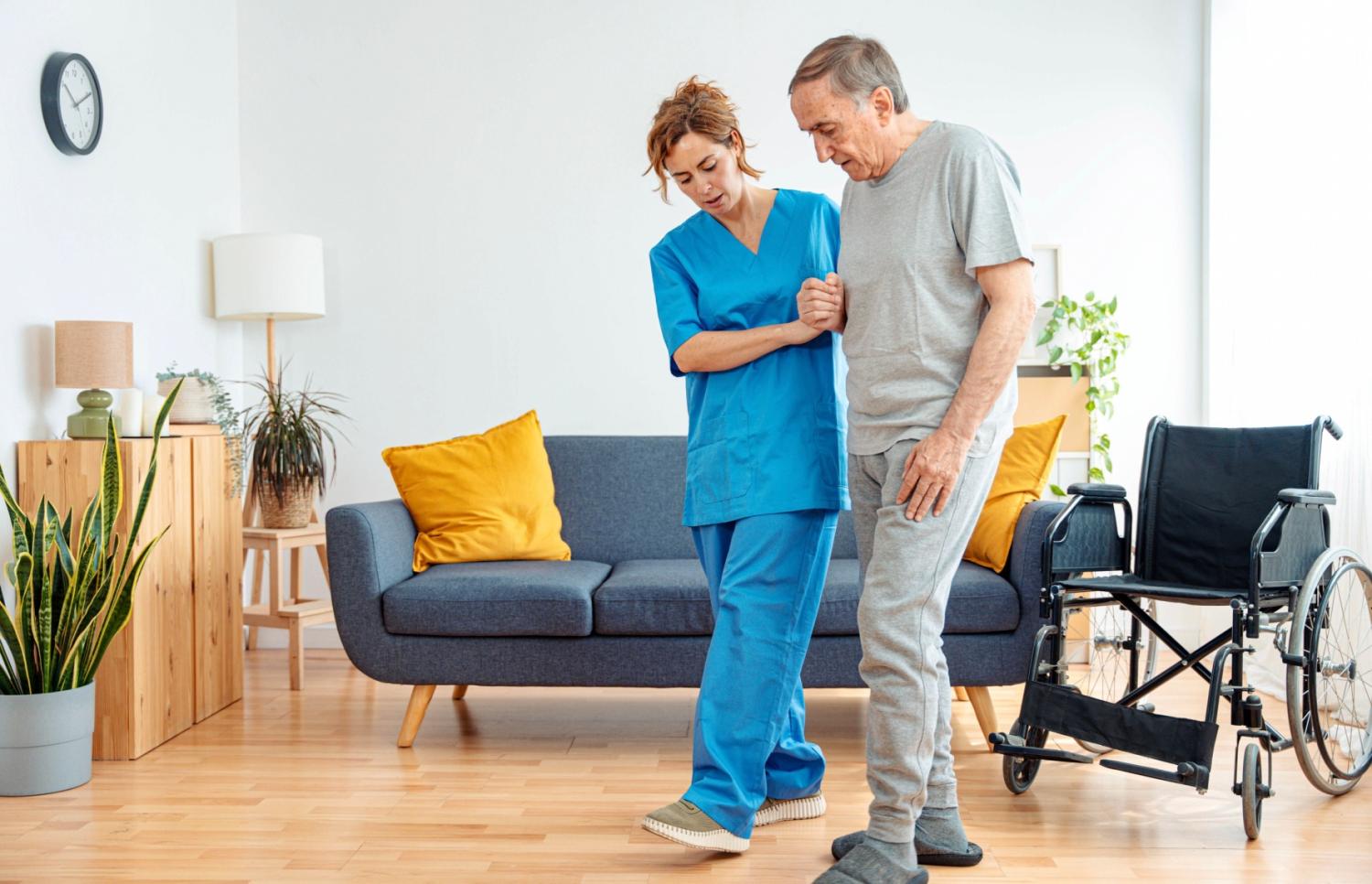
How Is Drug Monitoring Handled in Memory Care Homes?
Medicine monitoring in memory Care homes is generally overseen by qualified personnel that guarantee locals get the right dosages at scheduled times, monitor for adverse effects, and maintain exact documents to advertise security and wellness.
What Are the Prices Linked With Memory Care Services?
The costs related to memory Care services differ significantly based upon location, facility amenities, and level of Care called for. Typically, households can expect regular monthly costs varying from $3,000 to $7,000 or even more, depending upon private requirements. Memory Care homes use important solutions tailored to individuals encountering memory impairment. In order to provide the greatest high quality support for residents with memory impairments, memory Care homes carry out specialized Care plans customized to specific requirements. While handling the intricacies of memory Care, family members seek peace of mind knowing that their enjoyed ones are receiving continuous Care. Memory Care homes offer 24/7 guidance, making certain that skilled staff are always readily available to aid citizens with everyday tasks, medicine administration, and individual Care. Memory Care homes specialize in providing tailored Care for people with memory-related conditions, providing structured settings and specialized therapies.